How to learn Korean in a private academy?
Discover how private language academies (학원) can help you learn faster with flexible programs, visa options, and immersive experiences. From choosing the right academy to knowing what to expect, this guide has everything you need to start your Korean language journey with confidence.


Thinking about learning Korean in Korea?
Studying the language where it’s spoken is one of the best ways to get fluent fast. Luckily, private language academies—called 학원 (hakwon)—offer flexible, diverse programs designed especially for foreigners. Whether you want to dive into intensive courses or prefer part-time lessons, there’s something for everyone.
In this article, we’ll cover:
What Is a Korean Language Academy (학원)?
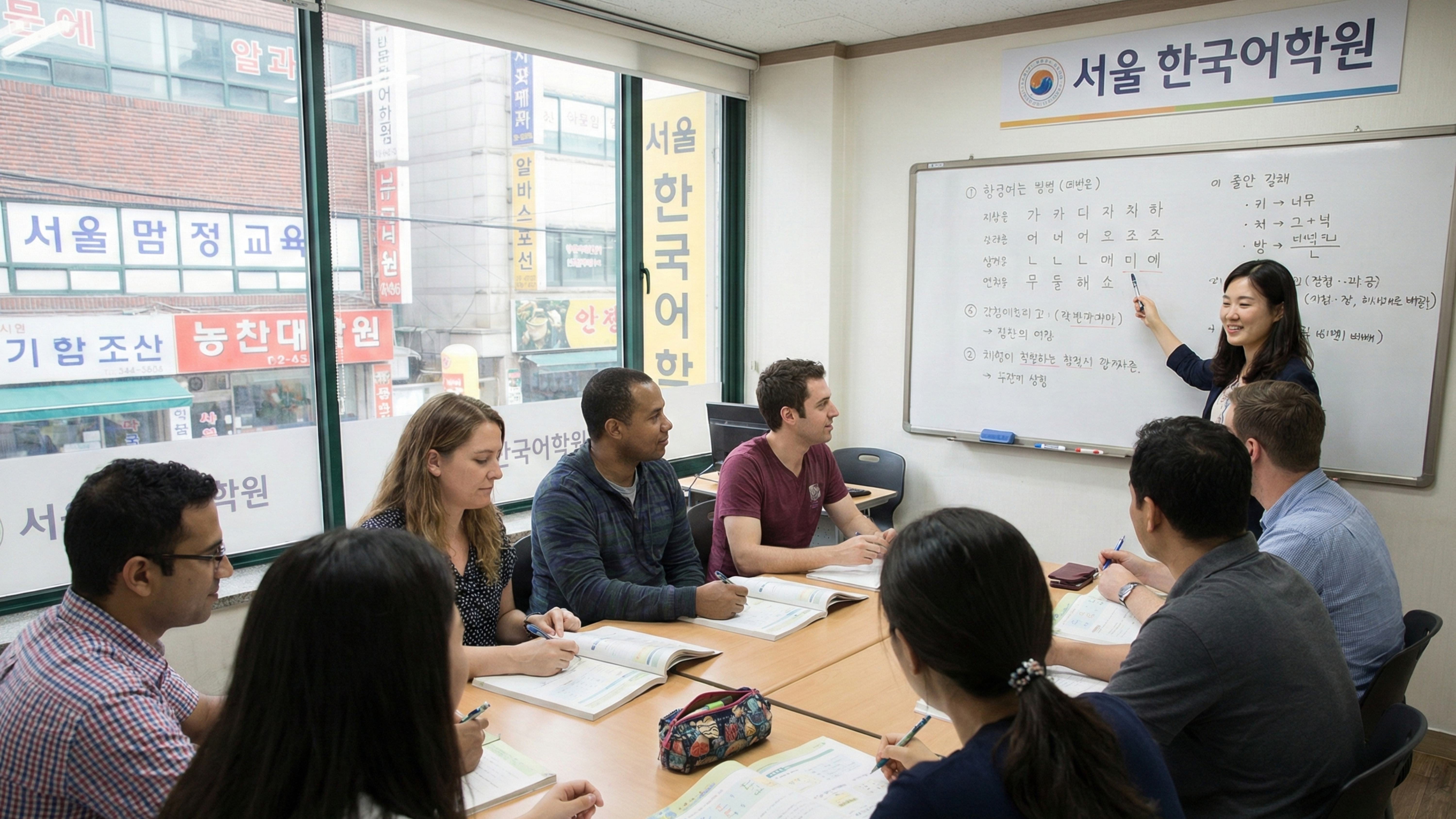
Korean language academies are private schools specializing in teaching Korean to foreigners. Unlike university language programs, 학원 are often more flexible with course schedules and duration, making them ideal for people with busy lives or varying learning goals.
You’ll find academies in most big cities—Seoul, Busan, Incheon, Daegu—and even smaller towns. Classes typically range from beginner to advanced levels, and many offer cultural activities alongside language lessons.
Flexible and Diverse Programs for Every Learner:
One of the biggest advantages of 학원 is their flexibility. You can find:
This variety means you can pick a program that matches your schedule and goals. Plus, many academies offer year-round enrollment, so you’re not stuck waiting for a new semester.
How to Find the Right Korean Language Academy?
Start with online research—check reviews, course offerings, and locations. Join expat or language learning groups on social media to get firsthand recommendations. If you’re already in Korea, visiting academies in person can help you get a feel for the environment and meet teachers. Make sure the academy you pick offers good support for international students, especially if you need visa assistance.
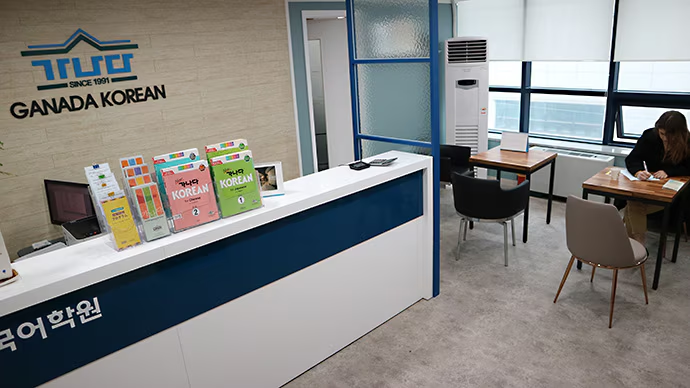
Our recommendation: Ganada Korean language Institute is well known among foreigners for providing efficient programs for all levels.
Student Visa (D-4-1): What You Need to Know
If you plan to study for more than 3 months, you’ll usually need a student visa (D-4-1). Most academies provide the necessary documents (like an admission letter) to help you apply. Visa holders can typically extend their stay every 3 months, up to 2 years.
Keep in mind: visa requirements can vary by country, so check with your local Korean embassy or consulate before applying.
What’s Included in a Typical Program?
When you enroll in a Korean language academy, you can usually expect:
Final Tips for Your Korean Learning Journey
Ready to start? Learning Korean in Korea is a fantastic experience that goes beyond the classroom—it’s your gateway to understanding the culture, making friends, and truly living the Korean way of life. And if you are looking for an accommodation near your academy, Momstay got you covered!
Related Posts

5 Best Part-Time Jobs in Korea
Is your bank account crying? 💸 Check out the top 5 most popular part-time jobs (Alba) for international students in Korea in 2026! From social media managing to language cafes, learn how to make extra cash in Seoul. Plus, save your hard-earned money with Momstay housing!
Jul 20, 2026

🇰🇷 Your Complete Job Hunting Roadmap in Korea
Dreaming of working in Korea after graduation? This complete guide covers the D-2 to E-7 visa path, TOPIK requirements, Korean resume tips, and the best job platforms for international students, updated for 2025–2026.
Jun 22, 2026
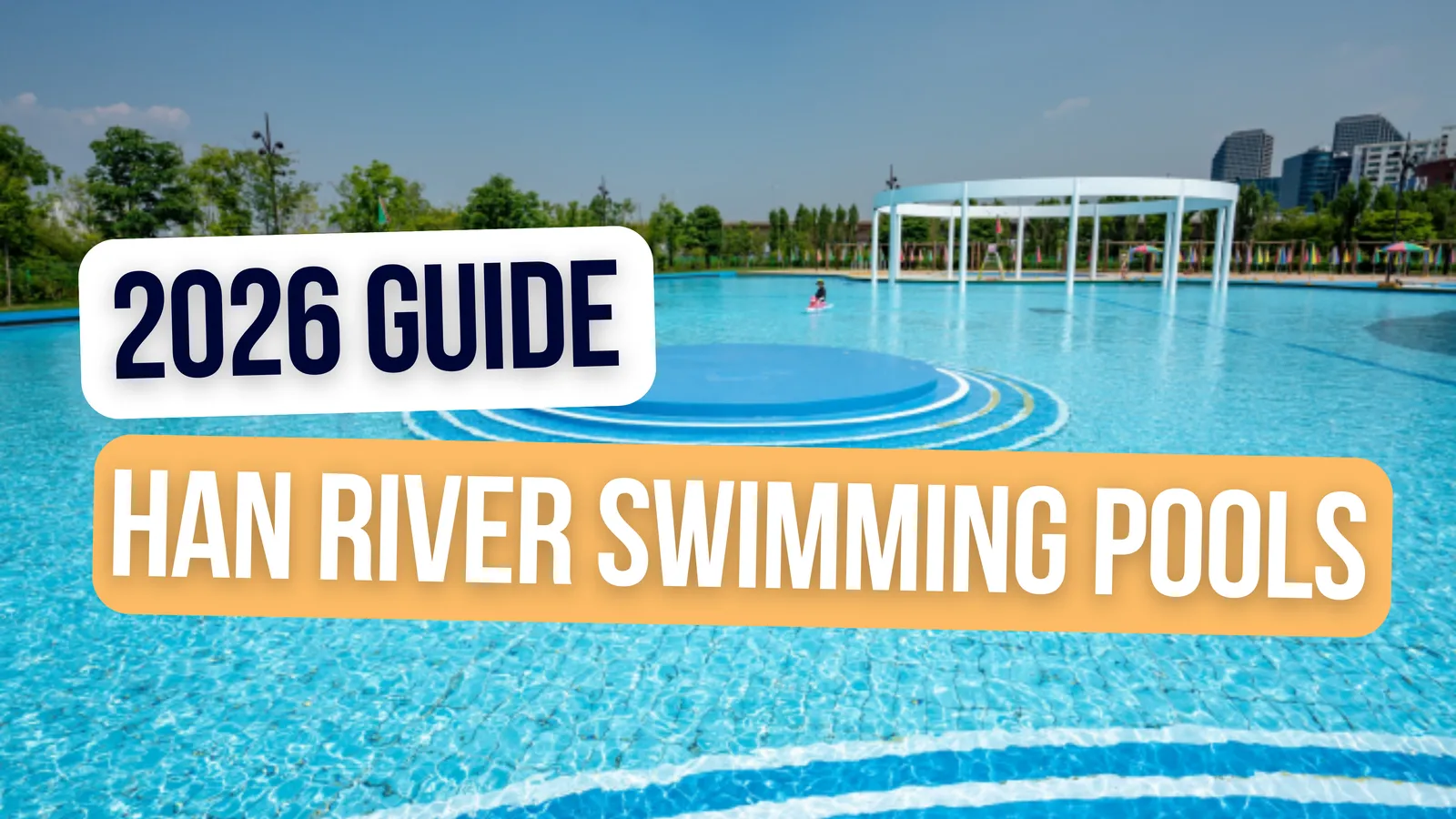
2026 Han river Swimming Pools Guide
Beat the intense summer heat with our quick guide to Seoul’s affordable Hangang pools, updated with crucial 2026 schedules and closures. It’s the ultimate budget survival guide!
Jun 19, 2026