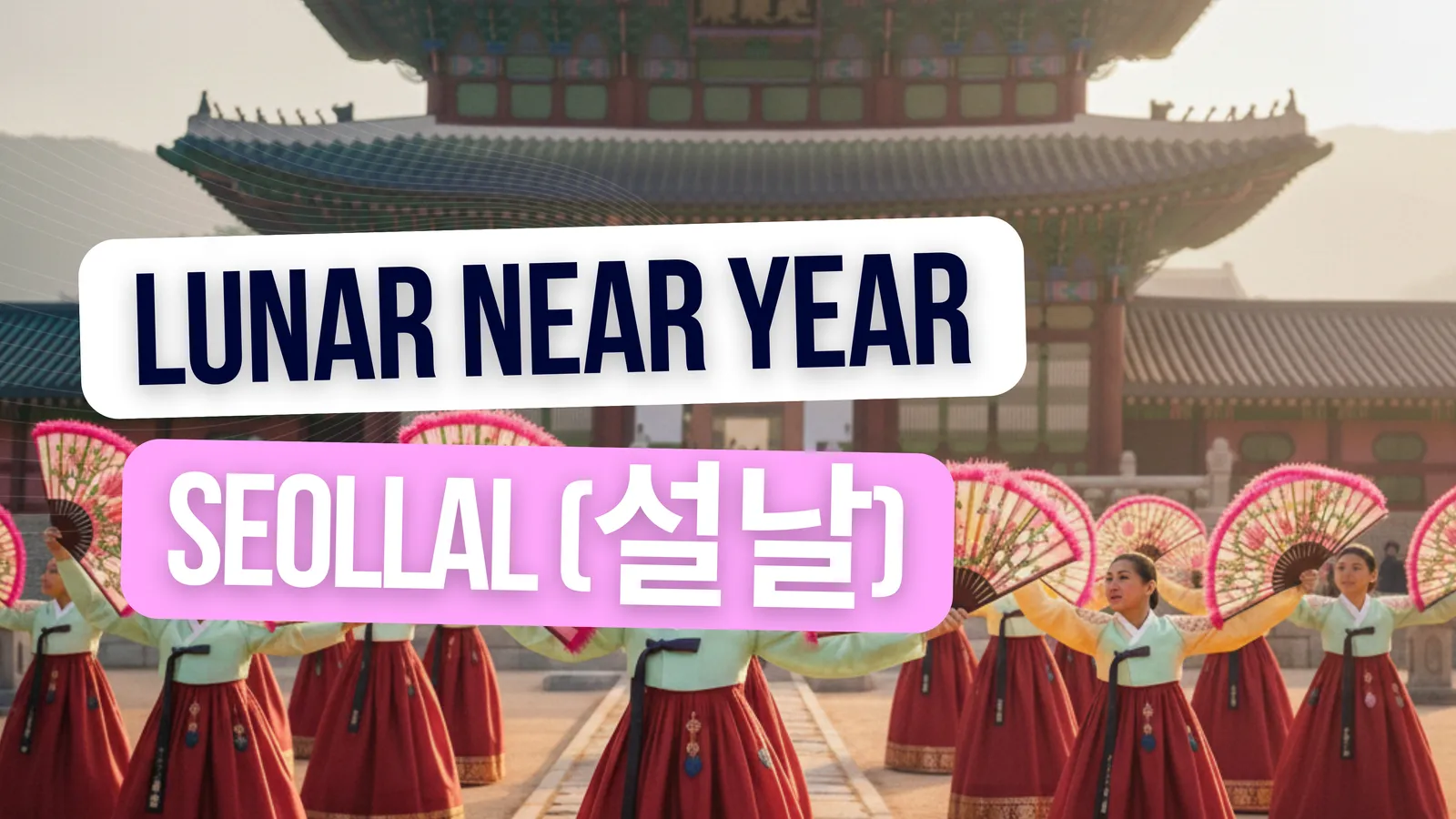
The Ultimate Guide to Seollal (설날): Everything You Need to Know About Korean Lunar New Year
Did you know eating a special bowl of soup makes you one year older during Korea's biggest holiday? Discover the fascinating traditions of Seollal, from bowing for money to ancestral rites, and get essential survival tips for navigating the Lunar New Year travel chaos.

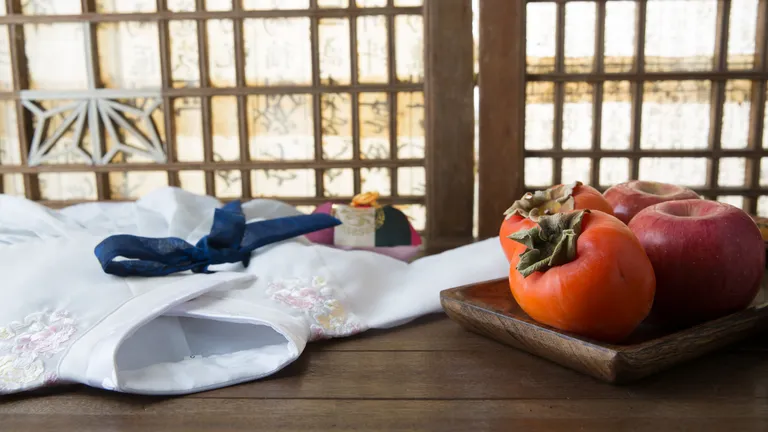
If you are planning to live, study, or travel in South Korea, understanding the local customs is crucial. Among all Korean holidays, few are as significant, widely celebrated, and culturally rich as Seollal (설날)—the Korean Lunar New Year.
While many Koreans also acknowledge the solar New Year on January 1st, Seollal is the traditional and far more important celebration. It is a time deeply focused on family reunions, honoring ancestors, and ushering in good fortune for the year ahead.
This guide will break down everything you need to know about Seollal, from ancient traditions and must-eat foods to practical survival tips for expats during the busiest travel season of the year.
What Exactly is Seollal?
Seollal (설날) is the Korean name for the Lunar New Year. It commemorating the first day of the Korean Lunar Calendar and is arguably the most important traditional holiday in Korean culture.
A Note on Pronunciation
The word is written as 설날 (Seol-nal), but due to Korean pronunciation rules, when an 'ㄴ' (n) sound follows a 'ㄹ' (l) sound, it is pronounced as a double 'L'. Therefore, it is pronounced "Seollal."
Historical Origins
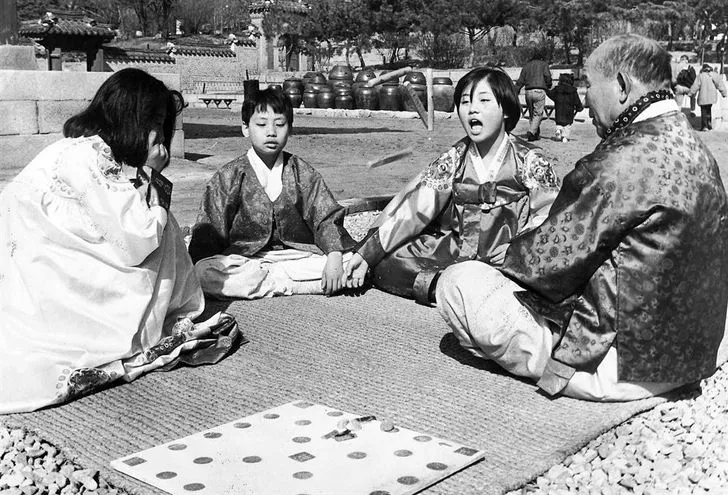
The history of Seollal is deeply intertwined with Korean folklore and agriculture. Historically, celebrating the new year was a way to honor ancestor spirits and pray for a bountiful harvest in the coming seasons. While modern Korea has changed, the essence of the holiday—family connection and reverence for the past—remains the same.
When is Seollal Celebrated?
Like many major Asian holidays, Seollal follows the lunar calendar. It falls on the first day of the lunar new year, which usually occurs in late January or early February on the Western (solar) calendar.
Because it is based on the moon's cycles, the dates change every year.
Upcoming Seollal Date:
How Long is the Holiday?
Seollal is typically a three-day public holiday. This includes the day before Seollal, Seollal day itself, and the day after. The exact number of days off can sometimes vary depending on which days of the week the holiday falls. In 2026 the holidays are from the 16th to the 18th making a long weekend of 5 days consecutive days!
The Core Traditions of a Korean New Year
While holidays like Christmas in Korea are often spent with friends or on dates, Seollal (much like Chuseok, the Korean harvest festival) is strictly a family affair.
1. Sebae (세배): The New Year’s Bow
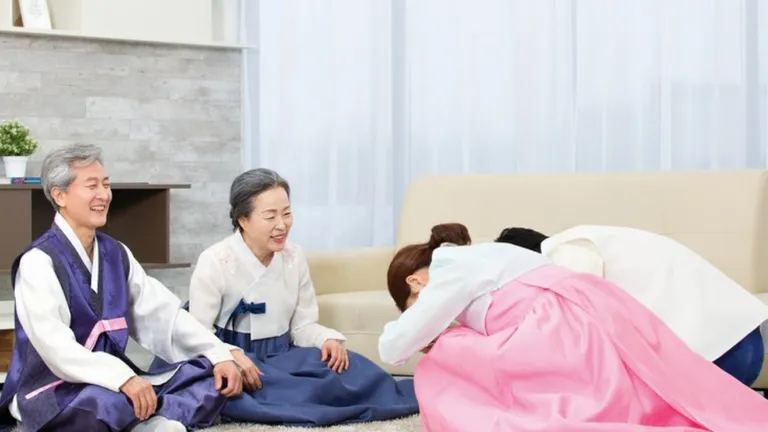
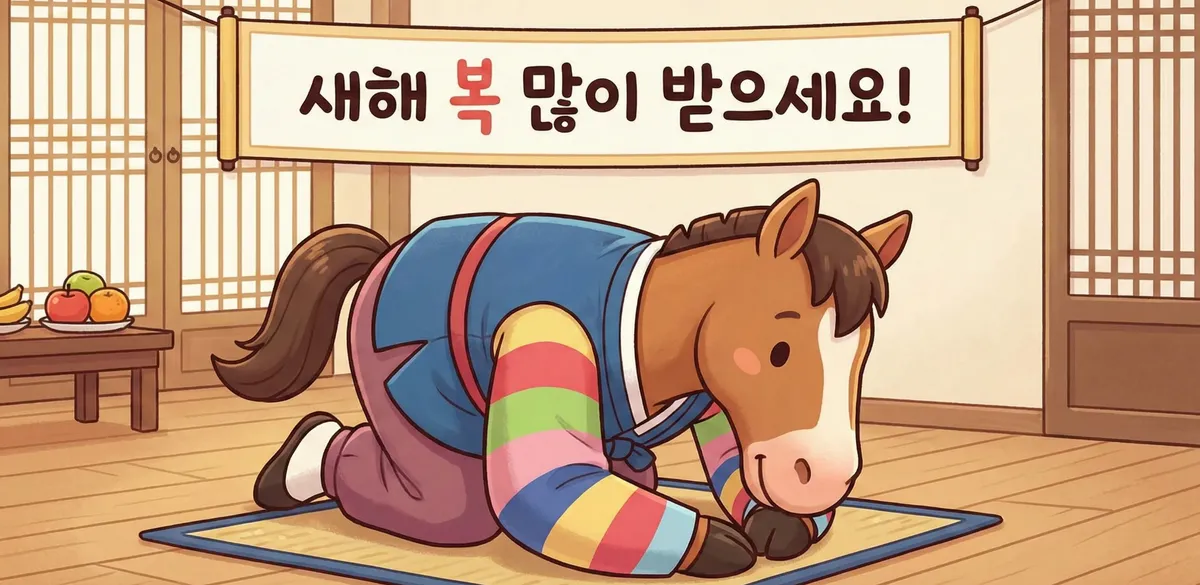
Sebae is the most important of all Seollal traditions. It is the act of younger people performing a deep, traditional bow to their elders to show respect and wish them a happy new year. To perform sebae, you kneel on the ground and bow deeply until your hands and forehead touch the floor.
Whilst bowing, the younger person says the traditional greeting: 새해 복 많이 받으세요 (Saehae bok mani badeuseyo)(Meaning: “Receive lots of luck/blessings in the new year.”)
Sebaetdon (세뱃돈): The Reward After receiving the bow, the elders offer words of wisdom or blessings to the younger generation (e.g., "I hope you stay healthy" or "I hope you get married this year"). Crucially, elders reward the younger ones with gift money, known as sebaetdon, usually given inside a decorative envelope.
2. Charye (차례): Ancestral Rites
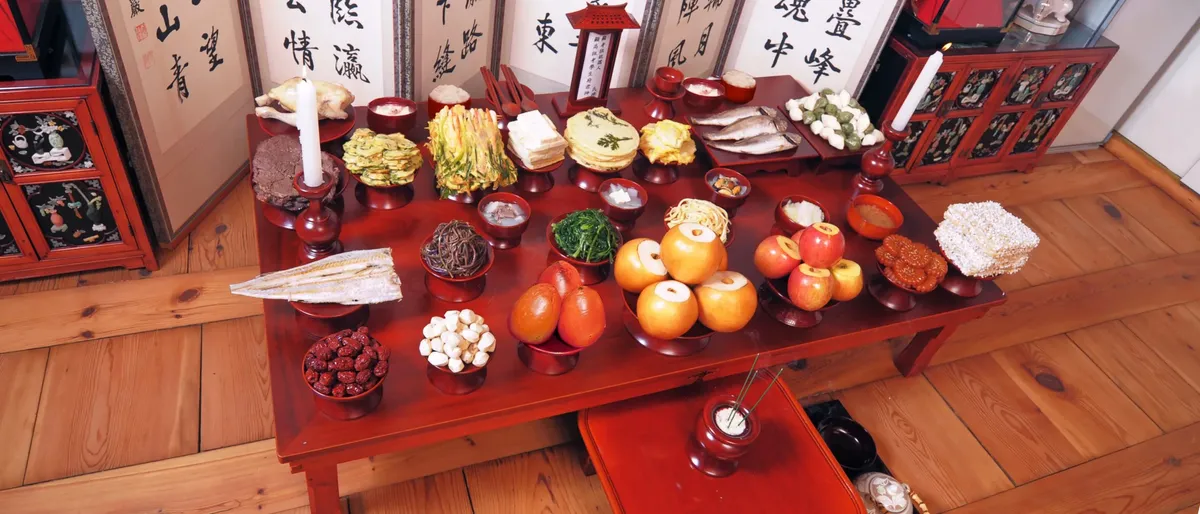
Another vital tradition is Charye. This term describes the worship of one’s ancestors on the morning of Seollal. Families set out an elaborate table of food as a gift to ancestor spirits, placing ancestral tablets behind the feast. Family members perform deep bows to show respect. While not every modern family performs these rites today, it remains a widespread and deeply significant practice.
3. Wearing Hanbok (한복)
To mark the special occasion, many Koreans—especially children—wear Hanbok, the beautiful traditional Korean attire. It adds to the festive spirit and is a way to honor their heritage while performing sebae or visiting relatives.
Seollal Food: Eating to Grow Older
The culinary aspect of Seollal is just as important as the rituals. Tables are laden with delicacies like Japchae (stir-fried glass noodles) and Mandu (Korean dumplings filled with meat and vegetables).
However, there is one dish you must eat.
Tteokguk (떡국): The Essential Rice Cake Soup
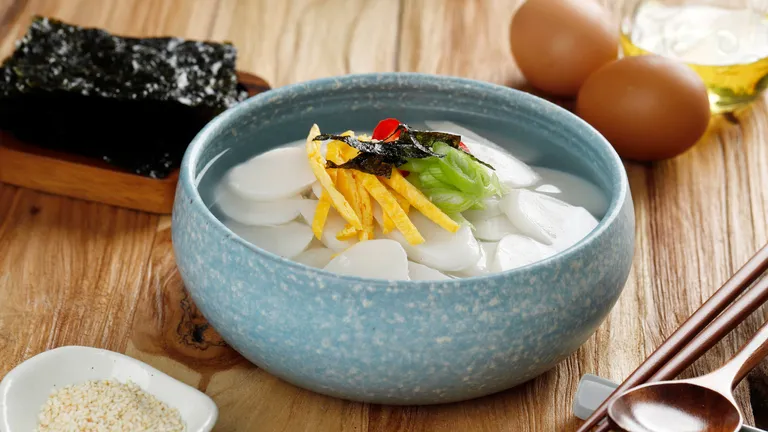
The most important food eaten during Seollal is Tteokguk, a soup made with sliced rice cakes (tteok) in a savory broth, often garnished with meat, eggs, and seaweed.
The Significance of Tteokguk:
Jeon (전): Savory Pancakes
Another common fixture is Jeon, pancake-like dishes often made with green onions (pajeon), kimchi (gimchijeon), or seafood (haemulpajeon).
Folk Games and Festive Activities
Just as Western families might play board games at Christmas, Korean families bond over traditional games during Seollal.
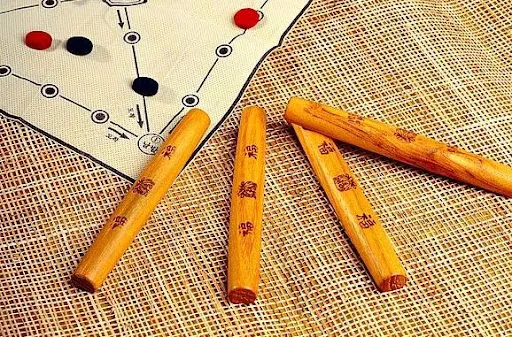
Is Seollal the Same as Chinese New Year?
Mostly, but not exactly. Seollal shares the essence of marking a new lunar cycle with Chinese, Vietnamese, and Mongolian celebrations, and they usually fall on the same dates.
However, the traditions are culturally distinct. While Chinese New Year is often characterized by loud firecrackers, red decorations, and lion dances, Korean Seollal is generally quieter, more introspective, and focused on ancestral rites (Charye) and the specific foods mentioned above.
A Practical Survival Guide for Expats and Travelers
If you are living in or visiting Korea during Seollal, you need to be prepared. It is simultaneously the quietest and busiest time of the year.
1. The "Great Migration" (Transport Chaos)
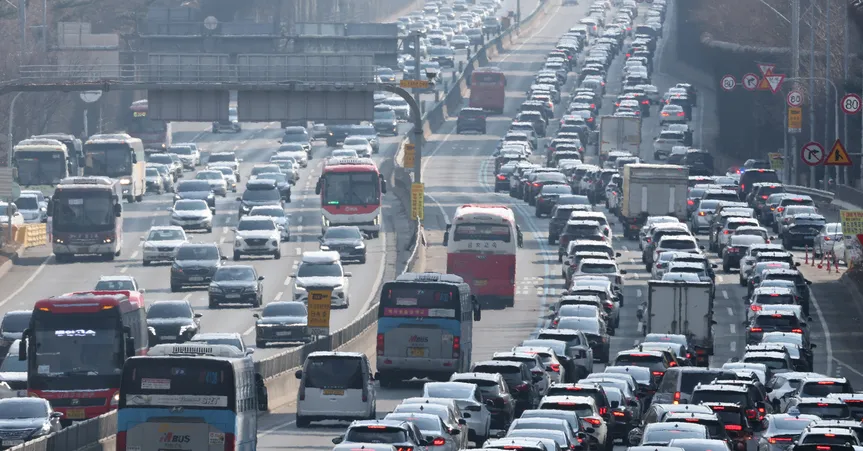
Because millions of people travel back to their hometowns to visit family, Seollal is the busiest travel period of the year.
2. City Life: Quiet Streets and Open Palaces
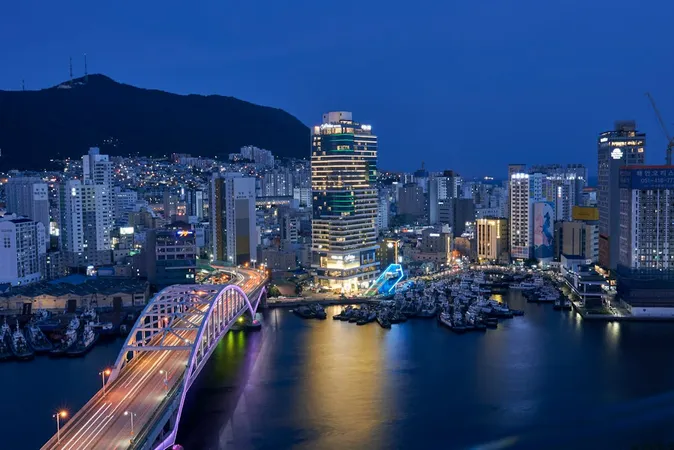
Major cities like Seoul and Busan become surprisingly serene during the official three-day holiday as residents leave. This offers a rare opportunity to explore these bustling metropolises without the crowds.
What is Open?
What is Closed?
3. How to Experience Seollal as a Foreigner
If you want a truly traditional experience, your best bet is to get invited to a Korean friend's family home. If you get an offer, take it!
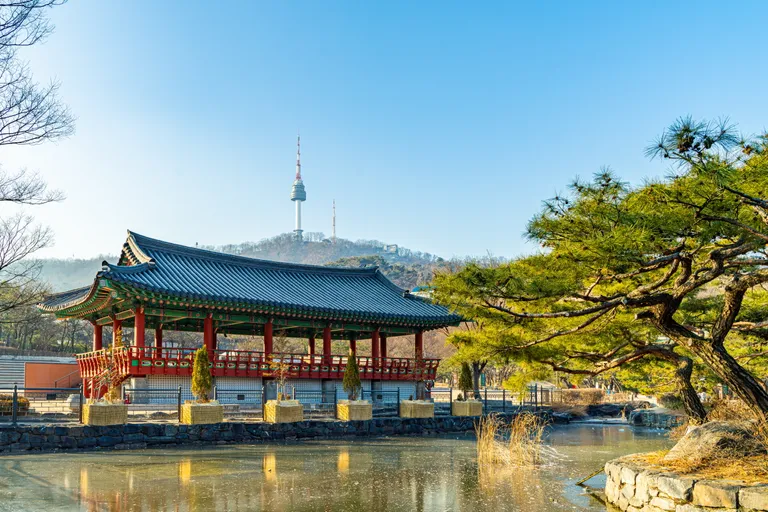
Otherwise, visit the palaces or places like the Korean Folk Village or Namsangol Hanok Village. These locations buzz with pre-holiday energy and put on special events, folk games, and performances designed to showcase Seollal traditions to the public.
Regardless of how you spend it, be sure to wish those around you a happy new year by saying:
새해 복 많이 받으세요!
새해: new year
많이: luck
받으세요: receive
Related Posts

Running in Seoul: Why Everyone Is Doing It
Discover why running is taking over Seoul, from Han River routes to running crews, with fun tips for international students who want to explore Korea like a local.
Sep 11, 2026
Surprise Long Weekend! Why Korea is Off This Monday
Wondering why you have this Monday off in Korea? 🇰🇷 Learn all about National Liberation Day (Gwangbokjeol) and Korea's amazing substitute holiday system!
Aug 14, 2026
A Must-Visit in Seoul: GAUDI – Back to the Origins ✨
Experience Barcelona in Gangnam! Check out our guide to "GAUDI: Back to the Origins" at Shinsa House. Discover tickets, student tips, and things to do in Sinsa-dong.
Aug 3, 2026