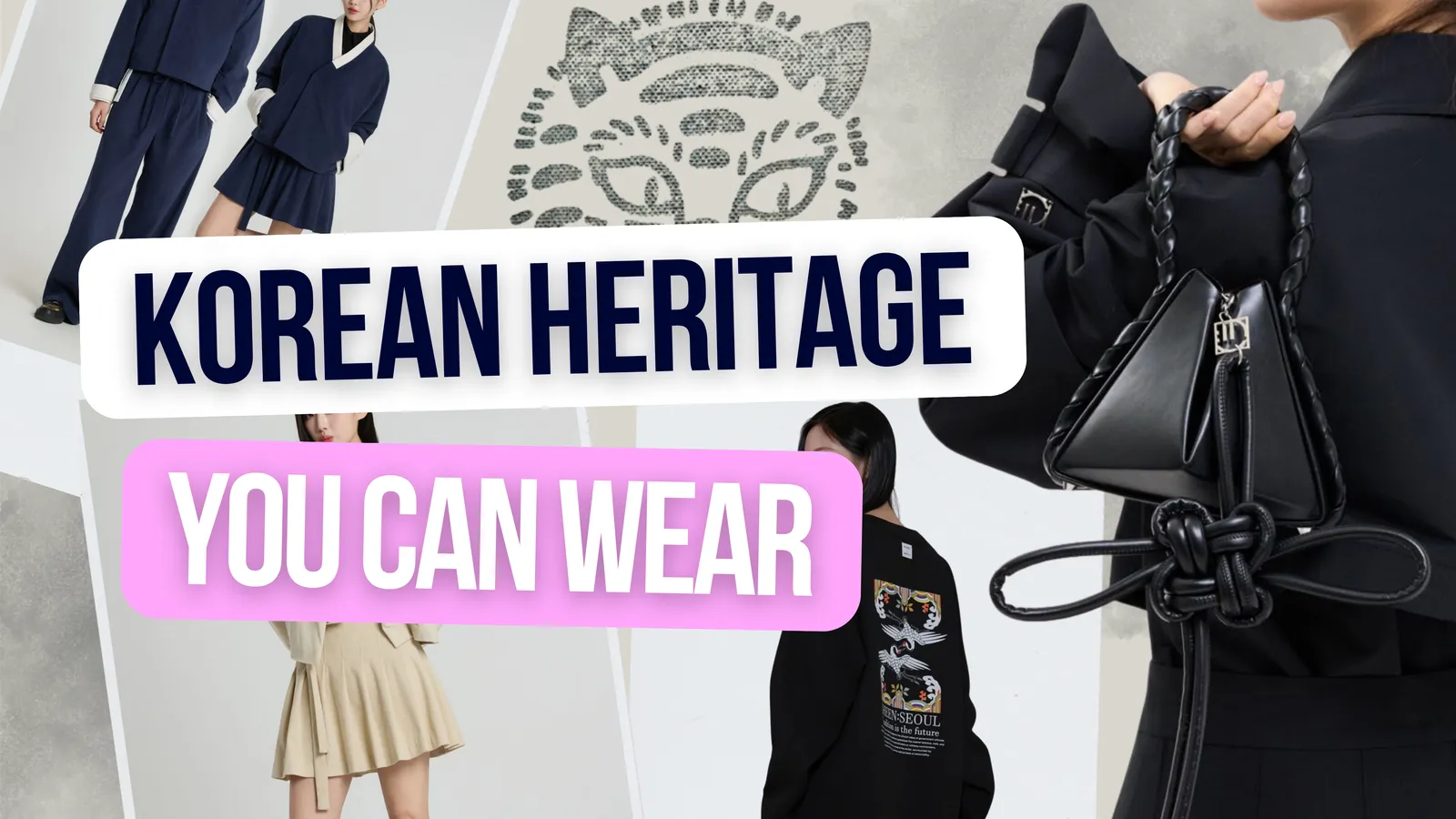
Korean heritage you can wear
Explore how modern Korean brands are reinterpreting traditional heritage—from hanbok-inspired fashion to folklore-rooted objects—for contemporary living. This design movement bridges history and the present, transforming ancient stories into wearable and relevant daily essentials.

Rediscovering Korean Design: Tradition Through a Modern Lens
Korean design is often associated with minimalism, balance, and restraint. But beyond aesthetics, it carries stories — of materials, gestures, symbols, and everyday life shaped over centuries.
Today, a new generation of Korean brands is revisiting this heritage, not by reproducing tradition, but by reinterpreting it for modern living.
From clothing inspired by hanbok structures to accessories and everyday objects rooted in craft and folklore, these brands offer a fresh way to experience Korean culture — one that feels current, wearable, and deeply relevant.
Modern Korean Fashion: Tradition Reimagined
Sheen Seoul
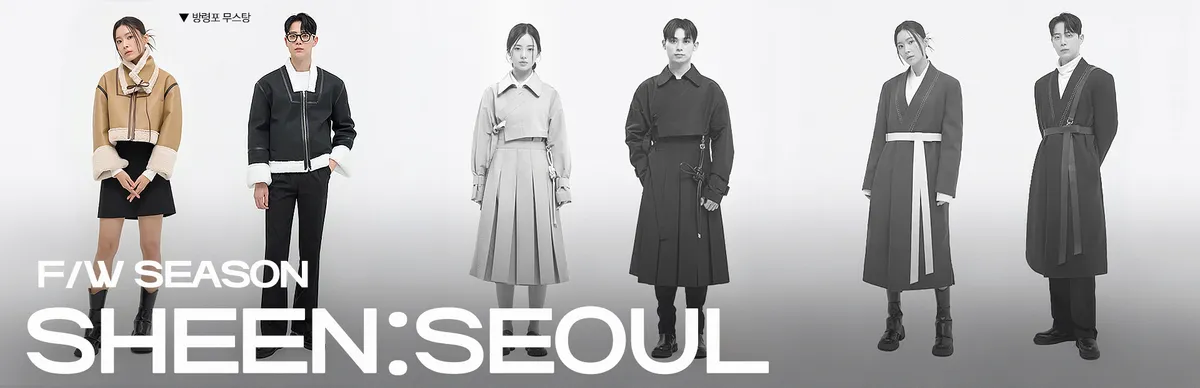
Sheen Seoul is known for its modern take on the hanbok, transforming traditional silhouettes into garments designed for everyday wear.
Rather than copying historical forms, the brand focuses on movement, layering, and clean lines, making tradition feel effortless and contemporary. Sheen Seoul’s pieces are often worn casually, proving that heritage can live naturally in modern wardrobes.
Gyojihap (교집합)
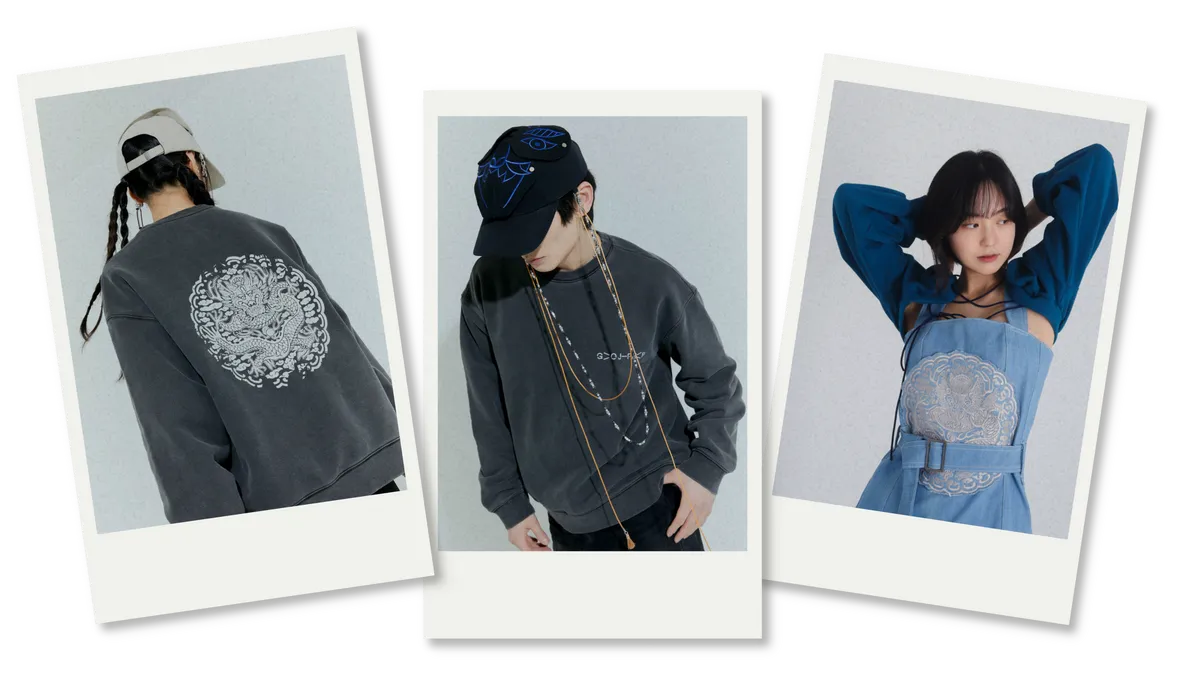
Meaning “intersection,” Gyojihap explores the space where past and present meet.
The brand approaches fashion conceptually, drawing from Korean cultural references, traditional proportions, and philosophical ideas, then translating them into modern clothing. Gyojihap’s designs feel thoughtful and intentional — perfect for those interested in fashion as cultural expression.
71to96
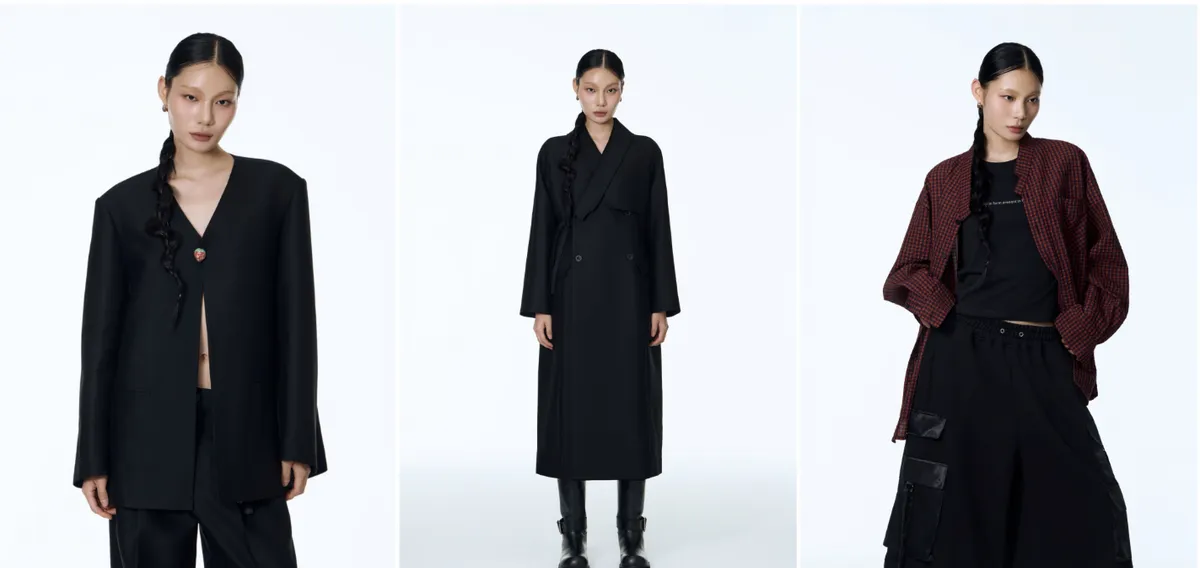
71to96 bridges generations by combining traditional Korean textiles with modern street and lifestyle fashion.
Founded with deep roots in hanbok craftsmanship, the brand integrates historical fabrics and techniques into hoodies, bags, and contemporary silhouettes. The result is a bold yet meaningful expression of Korean identity — especially appealing to younger creatives seeking authenticity.
Accessories: Heritage You Can Carry
ONGO
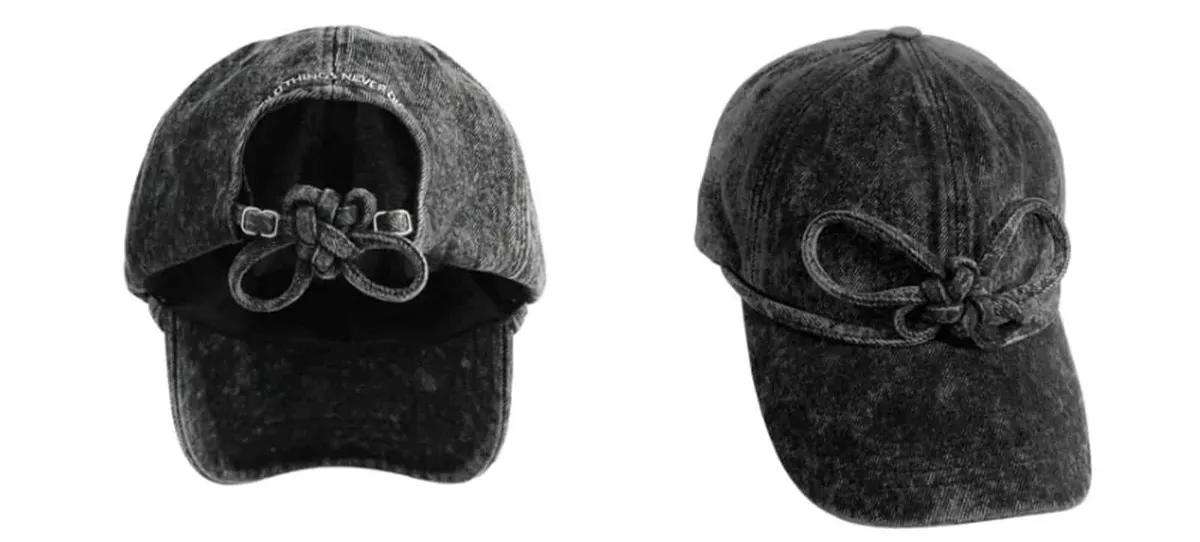
ONGO’s philosophy is simple: Old Things Never Die.

The brand reinterprets traditional Korean bags and forms with modern materials and subtle detailing. ONGO’s accessories feel timeless rather than nostalgic, offering practical pieces that quietly carry cultural heritage into daily life.
Pyogo
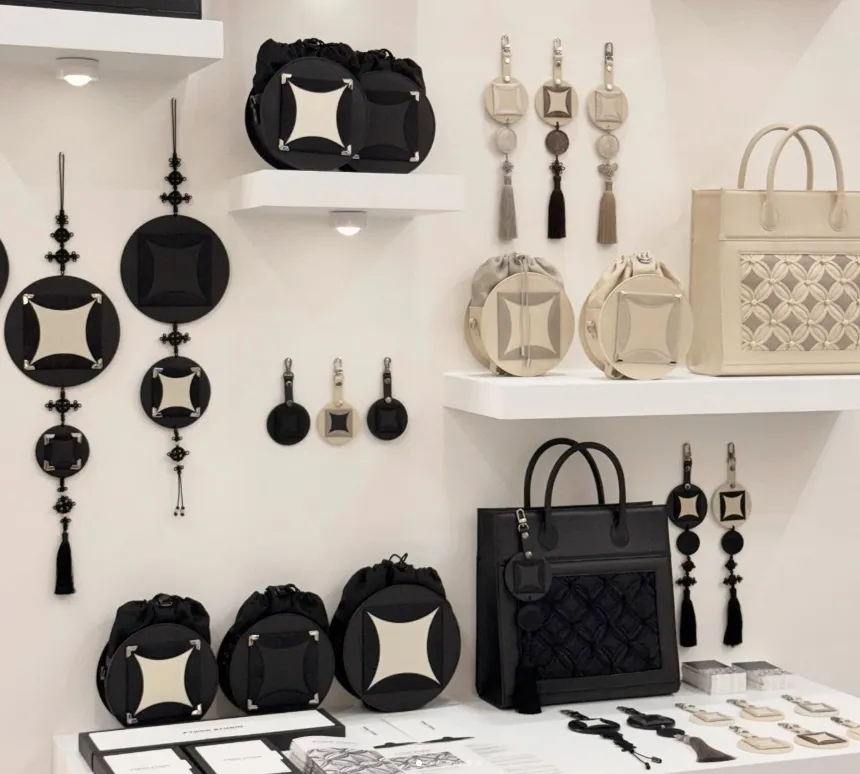
Pyogo creates handcrafted bags and accessories using techniques inspired by traditional Korean sewing and textile practices.
Each piece reflects the beauty of imperfection and craftsmanship, blending natural colors, textures, and forms into modern designs. Pyogo stands as a reminder that tradition is not static — it evolves through the hands of makers.
Lifestyle & Everyday Objects: Culture in the Details
OIMU
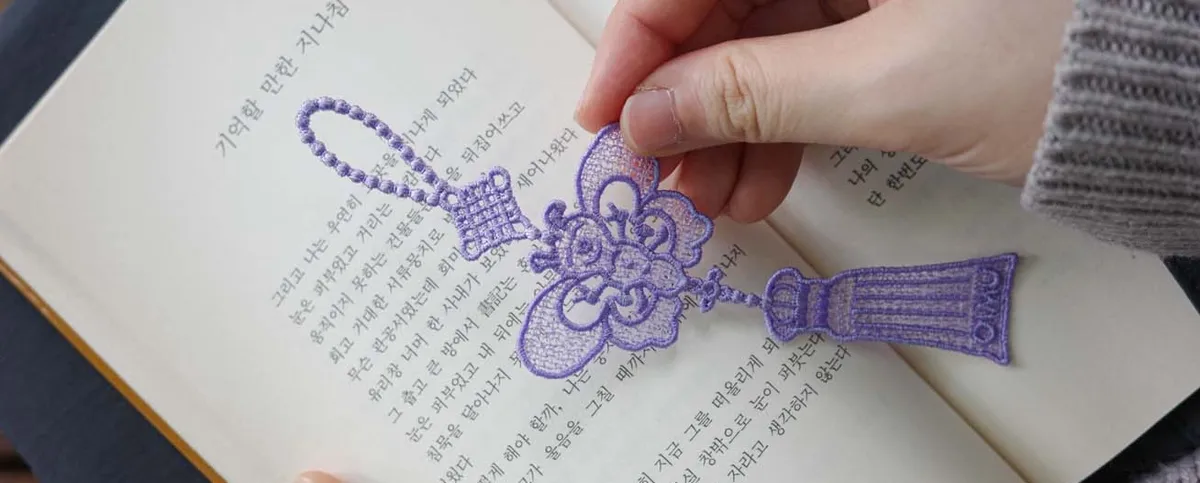
OIMU focuses on objects for everyday life — stationery, bookmarks, and lifestyle goods inspired by traditional Korean items.
With clean design and thoughtful storytelling, OIMU transforms cultural references into practical objects that feel relevant to modern routines. It’s a perfect example of how heritage can be quietly integrated into daily moments.
BON’ee
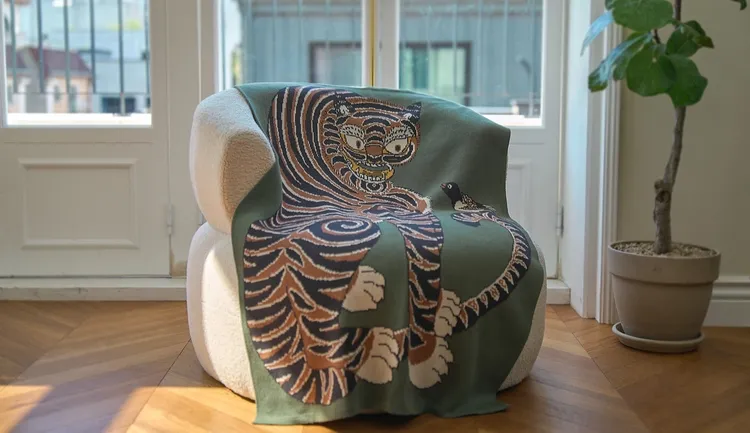
BON’ee draws inspiration from minhwa, traditional Korean folk paintings known for their symbolism and playful spirit.
By applying these motifs to lifestyle objects and design goods, BON’ee brings color, humor, and cultural meaning into contemporary spaces. The brand feels approachable, youthful, and culturally rich without being heavy or academic.
A Living Design Culture
These brands show that Korean design is not about preserving the past in a museum-like way. Instead, it is about continuity — adapting tradition to modern lifestyles, values, and aesthetics.
By wearing, using, and living with these objects, we don’t just observe Korean culture — we participate in it.
In this way, modern Korean design becomes a bridge: between generations, between history and the present, and between culture and everyday life.
Related Posts

Running in Seoul: Why Everyone Is Doing It
Discover why running is taking over Seoul, from Han River routes to running crews, with fun tips for international students who want to explore Korea like a local.
Sep 11, 2026
Surprise Long Weekend! Why Korea is Off This Monday
Wondering why you have this Monday off in Korea? 🇰🇷 Learn all about National Liberation Day (Gwangbokjeol) and Korea's amazing substitute holiday system!
Aug 14, 2026
A Must-Visit in Seoul: GAUDI – Back to the Origins ✨
Experience Barcelona in Gangnam! Check out our guide to "GAUDI: Back to the Origins" at Shinsa House. Discover tickets, student tips, and things to do in Sinsa-dong.
Aug 3, 2026