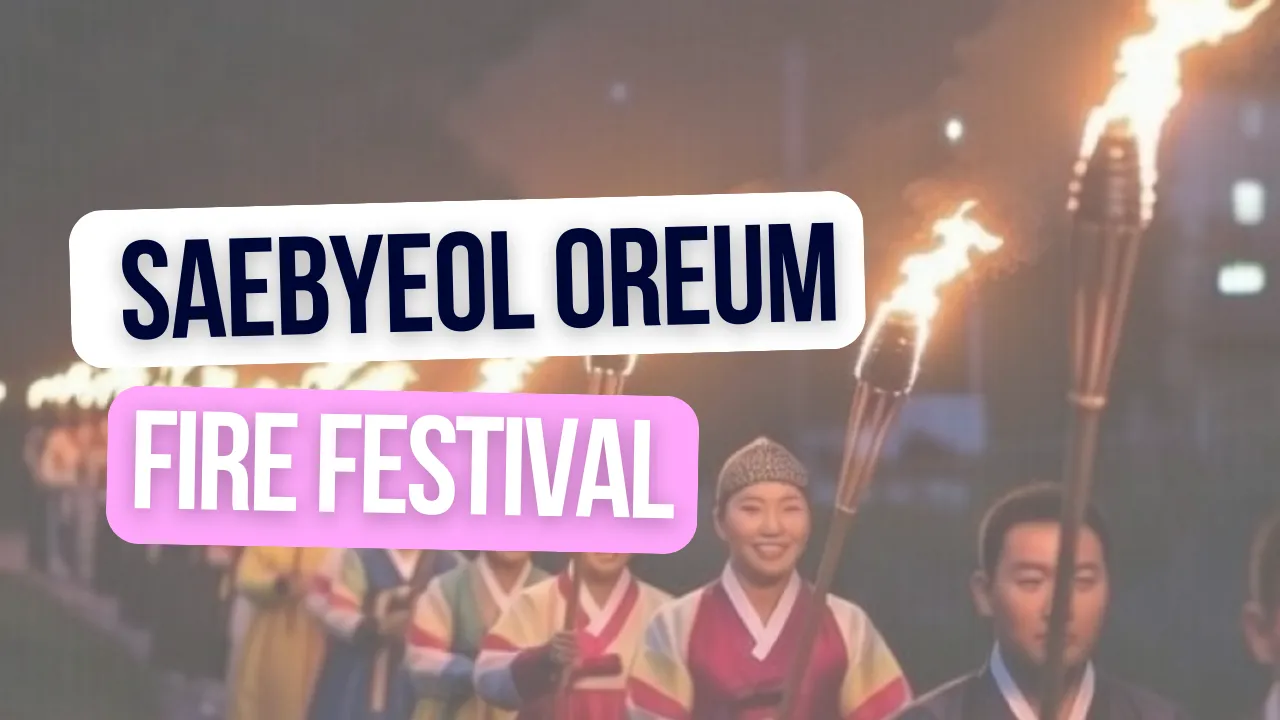
March 14th: Saebyeol Oreum Fire Festival
Discover the evolution of Jeju’s iconic Saebyeol Oreum Fire Festival, from its ancient roots as a mountain-cleansing ritual to its 2026 transformation into a sustainable high-tech light show.

Tomorrow, Saturday, March 14, 2026, is the grand finale of the festival, known as "Fire Day" (or "Hymn of Hope" day) in Jeju.
Here is everything you need to know if you are in Jeju and want to enjoy Saebyeol Oreum tomorrow.
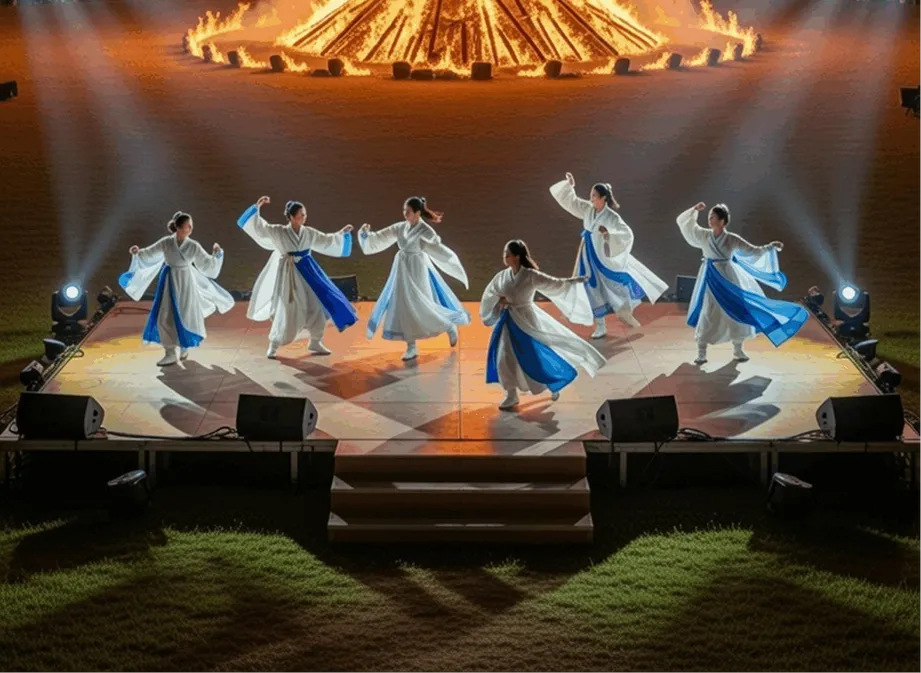
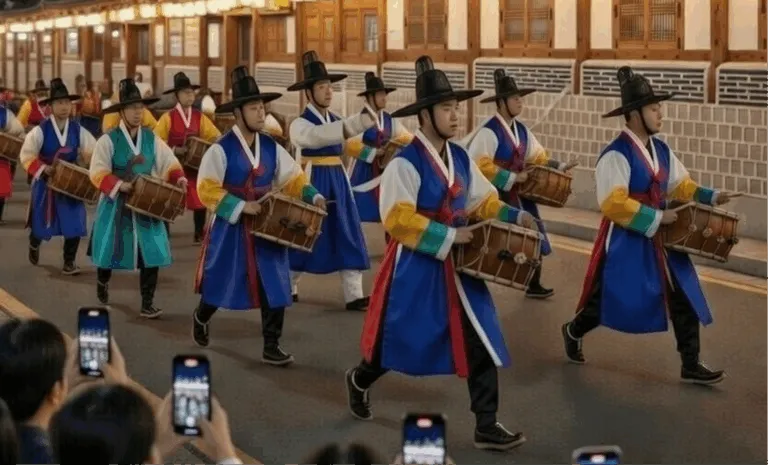
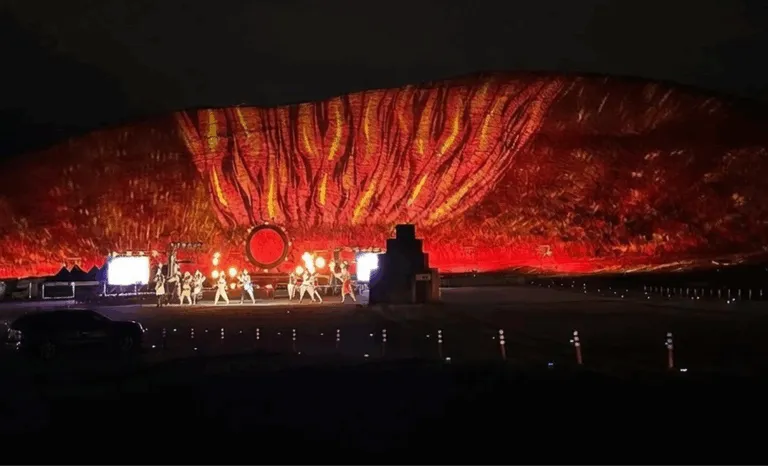
📅 Event Schedule (Saturday, March 14, 2026) The festival grounds open in the morning with various activities, but the main spectacle happens in the evening: • 10:00 AM – 5:00 PM: Traditional folk games, "Oreum Docent" tours (guided walks), wish-writing, and local food markets. • 6:30 PM – 7:30 PM: The Torchlight Parade and the traditional March of Jeondo. • 7:30 PM – 8:30 PM (Main Event): The Digital Fire Show and Moon House Burning. This is when the oreum will be illuminated with massive media art projections, LED displays, and eco-friendly fireworks. • 8:30 PM – 9:30 PM: Finale concert featuring the famous Korean band Jaurim.
Find all the program right here: https://firefestivaljeju.com/체험-프로그램/
🚌 How to Get There
The festival is located at Saebyeol Oreum in Aewol-eup. Parking is extremely difficult, so using the Free Shuttle Bus is highly recommended.
address: San 59-8 Bongseong-ri, Jeju-si, Jeju-do
From Ancient Ritual to a Sustainable Future
Jeju Island, with its breathtaking natural beauty and unique cultural heritage, is home to countless traditions that have been passed down through generations. Among these, the Saebyeol Oreum Fire Festival, a vibrant and spectacular event, holds a significant place. This festival, held on the iconic Saebyeol Oreum, a small volcanic cone, embodies the resilience and the deeply-rooted spirituality of the Jeju people.
A Glimpse into the Past: Burning the Ills
The history of the Saebyeol Oreum Fire Festival can be traced back to ancient times, rooted in agrarian society and shamanistic beliefs. In the past, this ritual was deeply tied to the lunar calendar, coinciding with the first full moon of the year (Daeboreum). The festival’s central act was the setting of fire to the dried-out grass on the oreum, known as deulbulori. This large-scale fire was a symbolic act, a powerful purifying ritual intended to:
The Spectacle of Fire:
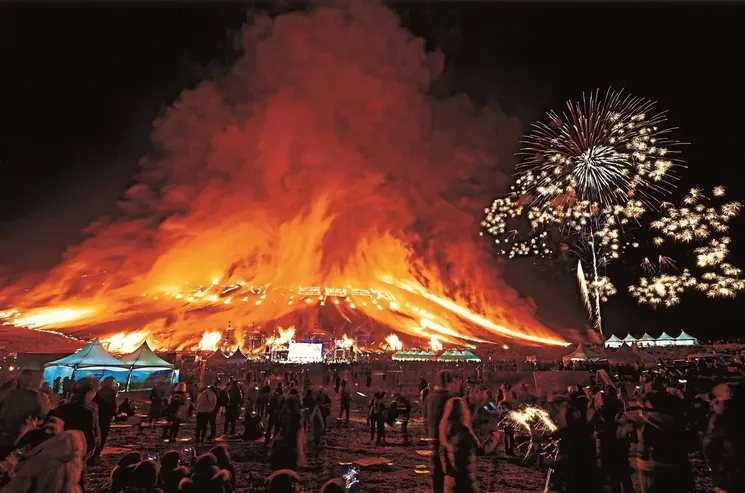
The ancient iteration of the festival was a sight to behold. As the sun set, the communities gathered around the base of Saebyeol Oreum. Shamanistic rituals were performed to appease the mountain spirits and seek their blessings. Then, at the designated moment, a single flame was used to ignite the dried-up grass. The fire spread rapidly, engulfing the entire oreum in a magnificent blaze. The sight of the massive fire on the hillside, visible from miles away, was awe-inspiring and truly a spectacle.
The Changing Landscape: Prioritizing Conservation
In recent years, however, the Saebyeol Oreum Fire Festival has undergone significant transformation, driven by environmental concerns and a growing commitment to sustainability. The practice of burning the oreum, though culturally significant, raised considerable alarms regarding air pollution, fire safety, and the preservation of the delicate ecosystem.
As early as the 2010s, discussions regarding the festival’s impact on the environment intensified. Scientific studies highlighted the risks associated with the large-scale fires, including:
The Transition: From Fire to Light
In response to these concerns, the organizers and the Jeju provincial government made the conscious decision to evolve the festival, balancing cultural preservation with ecological responsibility. The transformation has been a gradual process, culminating in significant changes in the 2020s.
What to Expect in 2026:
By 2026, the Saebyeol Oreum Fire Festival will be a vastly different event from its ancient origins. While the symbolic essence remains, the traditional burning of the oreum is now a thing of the past. In its place, the festival has embraced innovative technologies and sustainable practices to deliver a modern, visually striking, and environmentally friendly celebration.
Key Changes Tourists can Expect:
Why the Change is Important:
The transformation of the Saebyeol Oreum Fire Festival is a crucial step towards ensuring the long-term sustainability of this important cultural event. By prioritizing conservation and embracing innovative solutions, the organizers have:
A Model for Sustainable Culture:
The Saebyeol Oreum Fire Festival stands as a powerful example of how ancient traditions can evolve and thrive in harmony with environmental conservation. By embracing change, Jeju Island is not only protecting its unique ecosystem but also creating a vibrant and sustainable future for its cultural heritage.
For Tourists Visiting the Festival:
A Vision for the Future:
The Saebyeol Oreum Fire Festival has embarked on a remarkable journey, transforming from a traditional, fire-focused event into a modern, sustainable celebration. While the sight of the burning oreum may be a memory, the spirit of the festival – the hope, resilience, and connection to the land – continues to burn brightly in the hearts of the Jeju people.

💡 Pro-Tips for Tomorrow • Dress Warmly: Even if it feels mild in the city, Saebyeol Oreum is very windy and the temperature drops sharply after sunset. Bring a heavy jacket, a scarf, and maybe a heat pack (hotpack). • Footwear: Wear sturdy sneakers or hiking boots if you plan to walk up the oreum paths before the show starts. • Arrive Early: For the 7:30 PM show, try to be at the site by 5:00 PM. This gives you time to grab street food (try the Jeju pork skewers!) and find a good viewing spot near the stage/hill.
Related Posts

Running in Seoul: Why Everyone Is Doing It
Discover why running is taking over Seoul, from Han River routes to running crews, with fun tips for international students who want to explore Korea like a local.
Sep 11, 2026
Surprise Long Weekend! Why Korea is Off This Monday
Wondering why you have this Monday off in Korea? 🇰🇷 Learn all about National Liberation Day (Gwangbokjeol) and Korea's amazing substitute holiday system!
Aug 14, 2026
A Must-Visit in Seoul: GAUDI – Back to the Origins ✨
Experience Barcelona in Gangnam! Check out our guide to "GAUDI: Back to the Origins" at Shinsa House. Discover tickets, student tips, and things to do in Sinsa-dong.
Aug 3, 2026