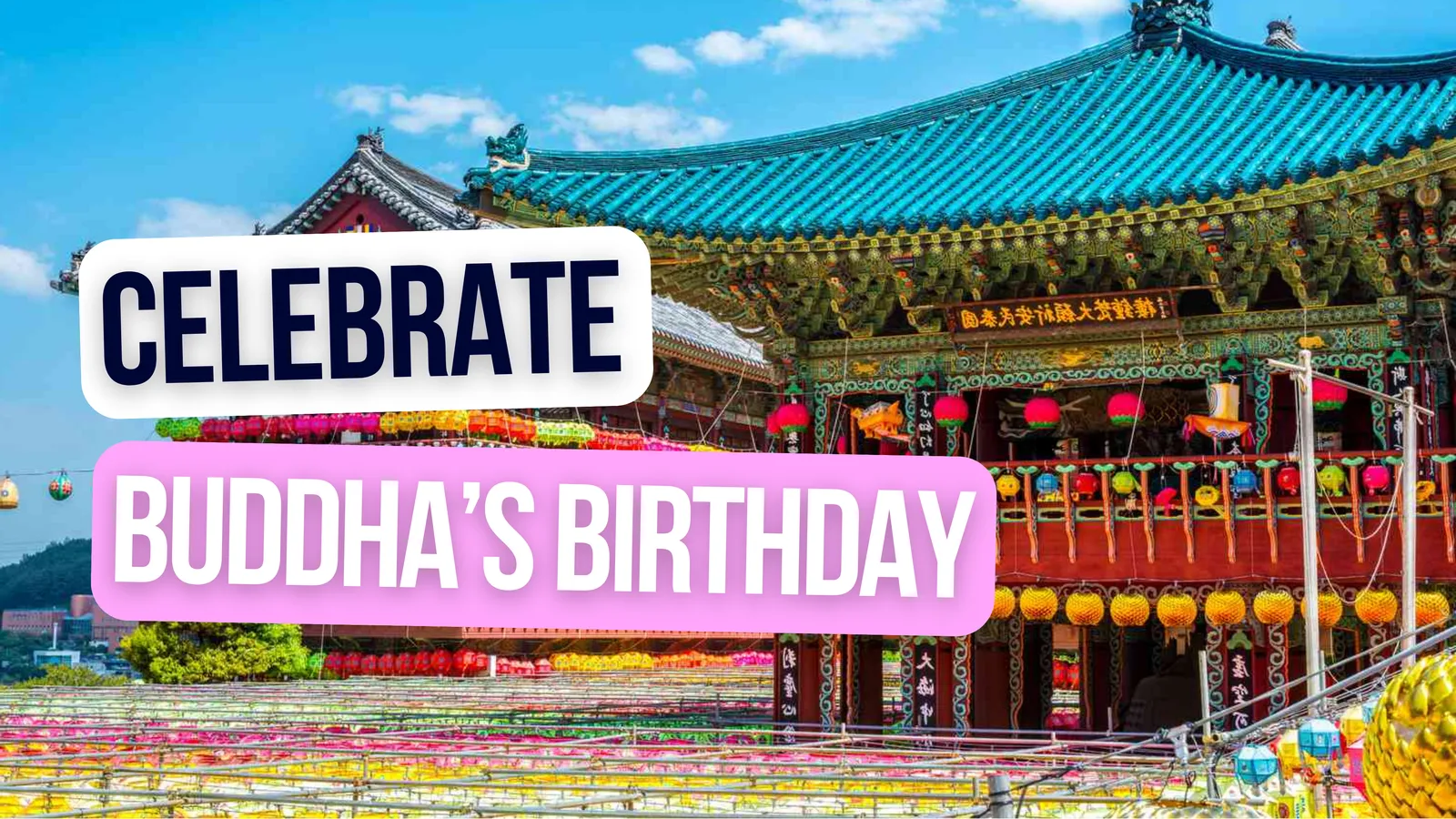
Enjoy the lanterns and light festival in May 2026
Discover why thousands of lanterns are lighting up Korea's streets and how you can witness the breathtaking "fire rain" festivals this month. From Seoul's massive UNESCO parade to Busan's hidden tunnels of light, here is your essential guide to experiencing Buddha's Birthday like a local.

The Night the Streets Glow: Celebrating Buddha’s Birthday in Korea 2026
If you’ve been walking through the streets of Seoul recently, you’ve likely noticed a magical transformation. Thousands of colorful, lotus-shaped lanterns are now strung across major boulevards and clustered around temple entrances. This isn't just spring decor, it’s the buildup to Buddha’s Birthday (부처님 오신 날 - Bucheonim Osin Nal), one of Korea’s most visually stunning and culturally rich holidays.
For foreign students and expats, this is the perfect time to witness Korea’s ancient soul peeking through its modern exterior.
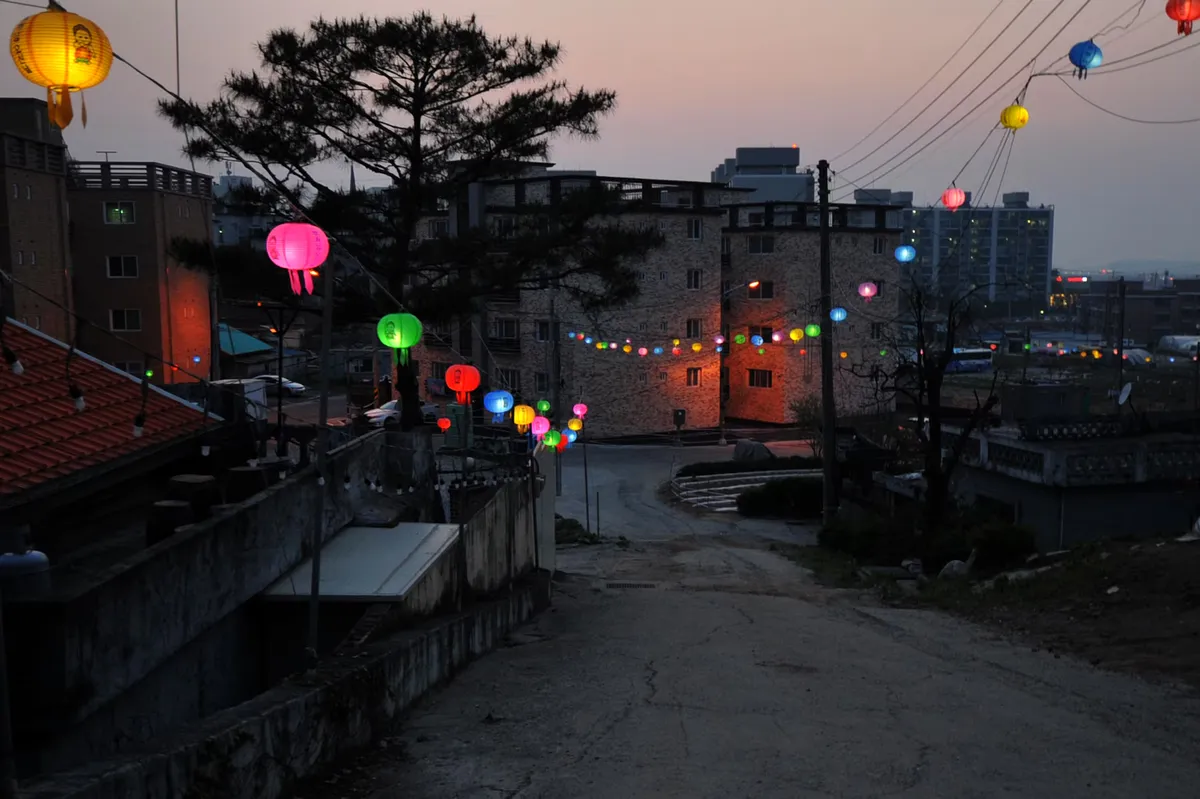
A Deep Dive: History & Cultural Meaning Buddha’s Birthday follows the lunar calendar, falling on the 8th day of the 4th lunar month. In 2026, the official holiday is Sunday, May 24th. Since it falls on a Sunday, Monday (May 25th) will be an observed holiday, giving you a perfect long weekend to explore!
The History of the Light The tradition of lighting lanterns (Yeondeunghoe) dates back over 1,200 years to the Silla Dynasty. Historically, these festivals weren't just religious; they were communal prayers for the nation’s safety and a bountiful harvest. In 2020, Yeondeunghoe was officially inscribed as a UNESCO Intangible Cultural Heritage of Humanity, recognized for its inclusivity, uniting people of all backgrounds regardless of their faith.
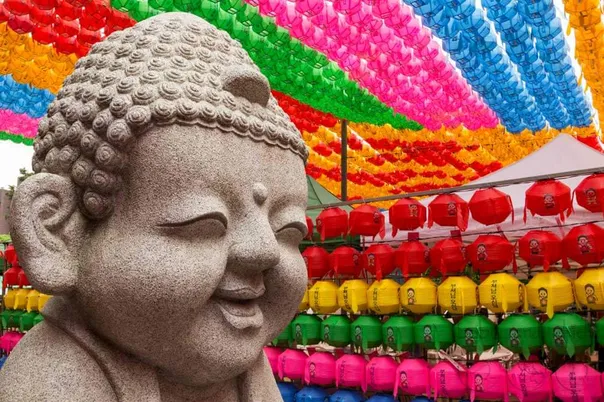
What Do the Lanterns Mean? • The Lotus: Why a lotus? In Buddhism, the lotus flower grows out of muddy water but blooms clean and beautiful. It symbolizes the ability to find enlightenment and wisdom despite the "muddy" troubles of the world. • The Light: Lighting a lantern symbolizes spreading wisdom and compassion to the dark corners of the world. • Bathing the Baby Buddha: If you visit a temple, you’ll see a ritual where people pour water over a small statue of a baby Buddha. This represents "purifying" one's own mind and washing away negative thoughts.
3 Events You Absolutely Cannot Miss in 2026
To help you plan your itinerary, here are the "Big Three" events. Note that some happen a week before the actual holiday!
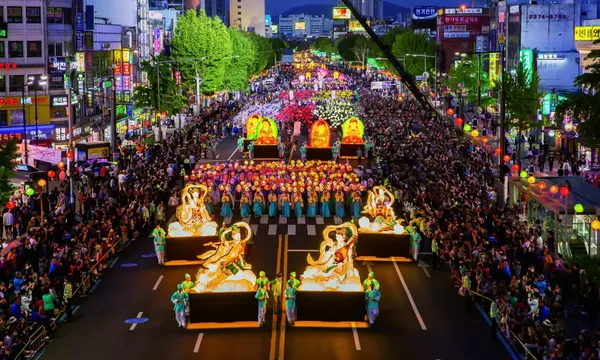
1. Yeon Deung Hoe (Lotus Lantern Festival) – Seoul
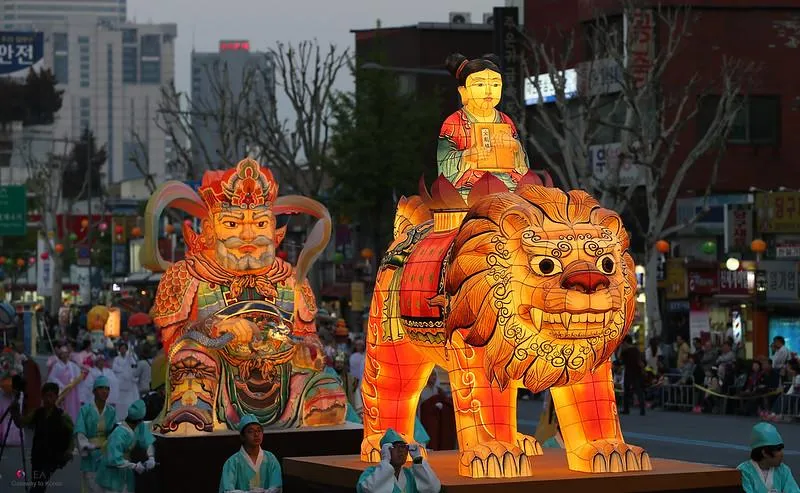
This is the granddaddy of them all. It’s massive, loud, and unforgettable.
For Saturday, May 16, 2026 (the main lantern parade), here’s the main schedule:
What’s worth seeing on Saturday:
Best viewing spots:
For Sunday, May 17, 2026, the vibe is more of a cultural festival:
Honestly:
Even outside the main weekend, it’s worth visiting:
because the lantern displays stay up for several weeks.
2. Haman vs. Sejong "Nakhwa Nori" (The Fire Flower Festival)
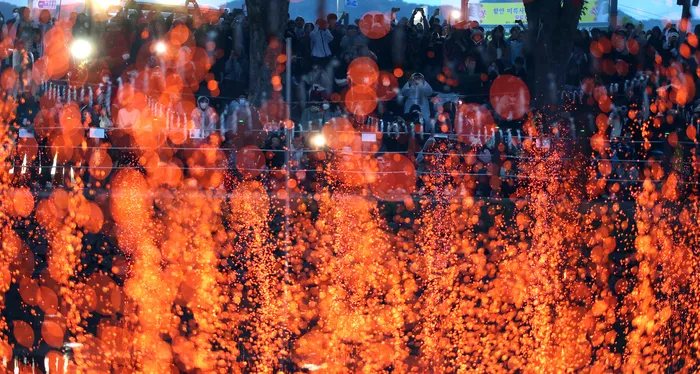
This is a rare traditional firework display that looks like glowing rain. • Haman (The Classic): ◦ When: May 24, 2026 (7:00 PM lighting). ◦ Where: Mujinjeong Pavilion, Haman. ◦ How: This now requires a strict reservation via Yes24 (usually opens in April) and sells out in seconds.
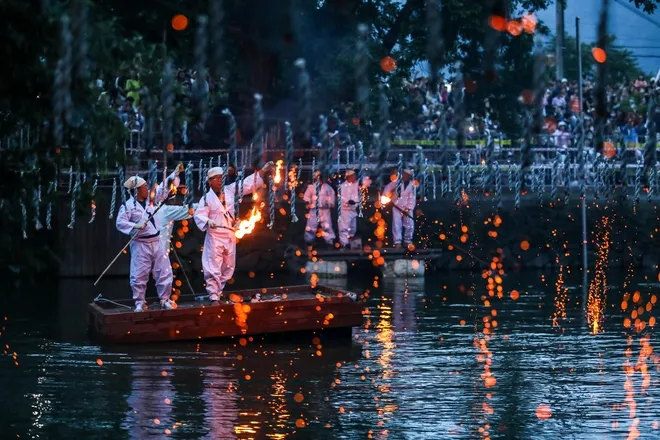
• Sejong (The Best Alternative): ◦ When: May 16, 2026 (7:30 PM). ◦ Where: Sejong Lake Park & Central Park. ◦ How: Admission is free and much more accessible for students living in the Gyeonggi/Chungcheong areas. • Pro Tip: Wear clothes you don't mind getting a tiny bit of charcoal dust on, and bring a picnic mat. The sight of 8,000 charcoal pouches "showering" sparks over the water is breathtaking.
3. Samgwangsa Lotus Lantern Festival – Busan
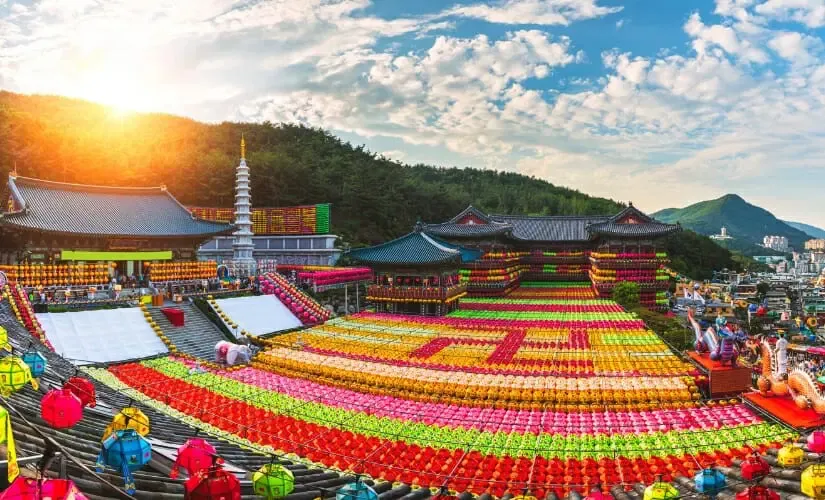
Often called the most beautiful temple display in the world. • When: May 15–24, 2026. The lights stay on from 7:00 PM until 1:00 AM. • Where: Samgwangsa Temple, Busan (Busanjin-gu). • How: From Seomyeon Station (Exit 9), take the Busanjin-gu 15 village bus directly to the temple. • Pro Tip: Go on a weekday if possible. On the actual holiday, the crowds are so dense that it can be hard to take photos. The "lantern tunnels" here are iconic—you’ll be walking under a ceiling of 40,000 lanterns.
Which festival is on your list? Whether you’re staying in Seoul for the parade or heading to Busan for the tunnels of light, make sure your camera is charged—you're about to see Korea at its brightest
Related Posts

Running in Seoul: Why Everyone Is Doing It
Discover why running is taking over Seoul, from Han River routes to running crews, with fun tips for international students who want to explore Korea like a local.
Sep 11, 2026

Surprise Long Weekend! Why Korea is Off This Monday
Wondering why you have this Monday off in Korea? 🇰🇷 Learn all about National Liberation Day (Gwangbokjeol) and Korea's amazing substitute holiday system!
Aug 14, 2026
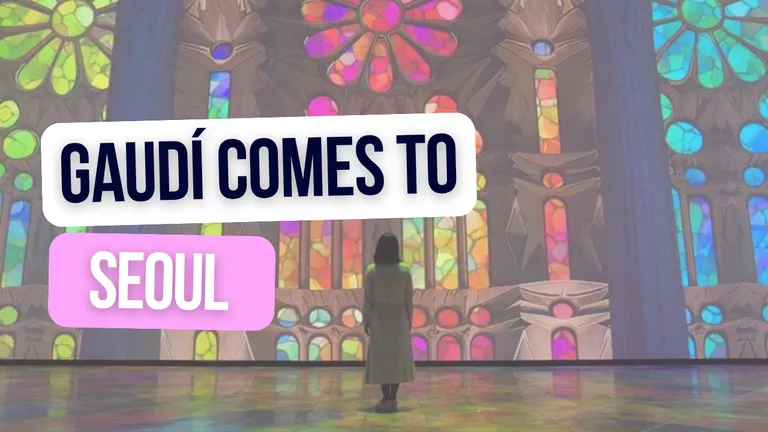
A Must-Visit in Seoul: GAUDI – Back to the Origins ✨
Experience Barcelona in Gangnam! Check out our guide to "GAUDI: Back to the Origins" at Shinsa House. Discover tickets, student tips, and things to do in Sinsa-dong.
Aug 3, 2026